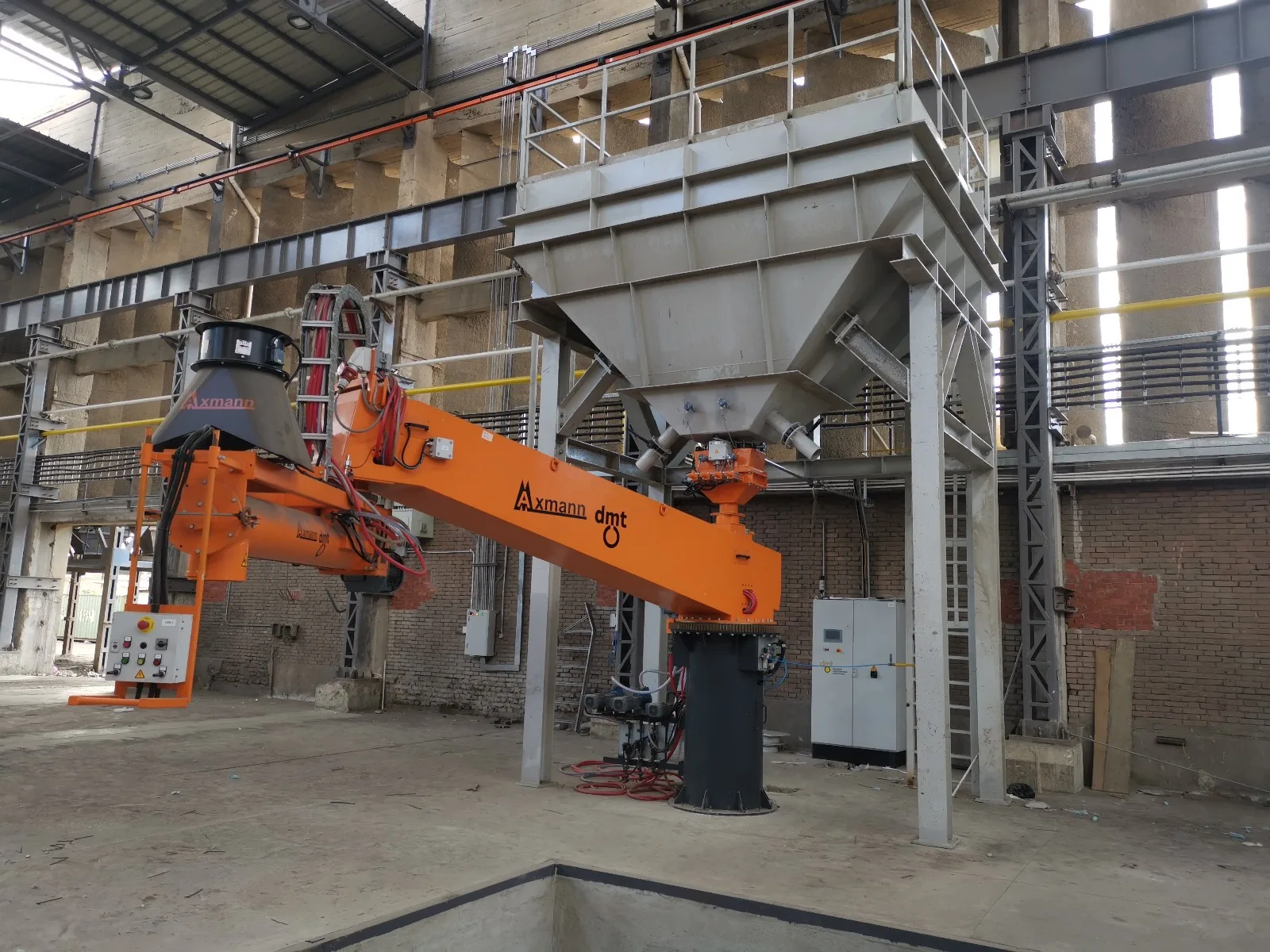
Mechanical Sand Reclamation
Primary reclamation stage: crushing, attrition, classification and dedusting. Ideal for furan-based no-bake systems.
Restore used foundry sand close to virgin specification. Axmann builds thermal sand reclamation plants for phenolic urethane, alkaline phenolic and high-reclamation no-bake systems, lifting total sand reuse into the 90 to 95% range, engineered in Germany.
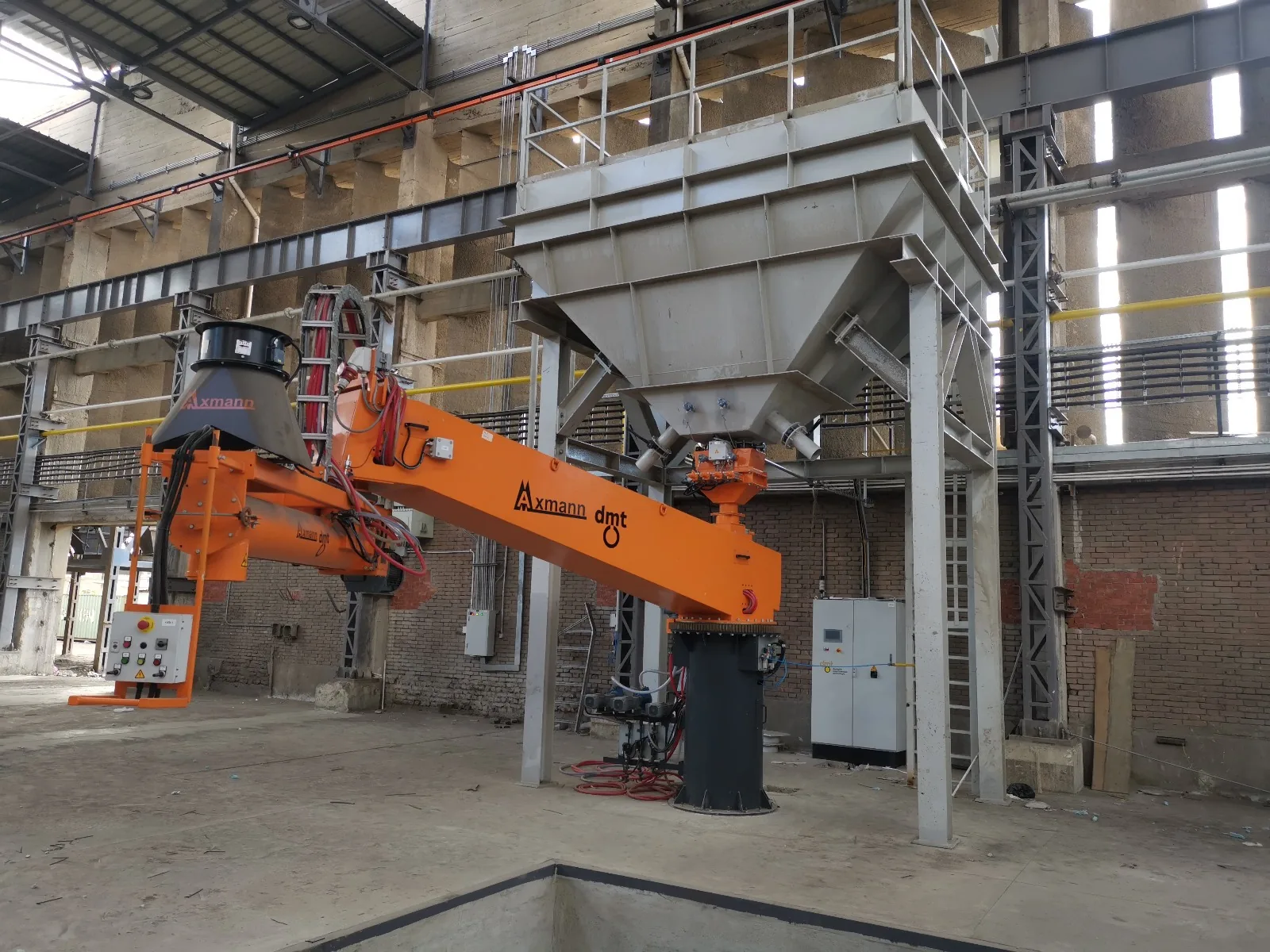
Thermal sand reclamation, or thermische Sandregeneration, is the process of restoring used foundry sand close to virgin specification by burning off every trace of residual organic binder in a fluid-bed calciner at 600 to 800 °C. The silica grain core is untouched; the organic binder envelope is oxidised to CO₂ and water vapour. The resulting reclaimed sand has grain-size distribution, loss on ignition (LOI) and acid demand values indistinguishable from newly-mined silica. Thermal reclamation is the way to hit the highest sand-reuse rates, 90 to 95%+, and it is essential for foundries running phenolic urethane or alkaline phenolic binder systems whose residues cannot be fully removed mechanically.
An Axmann thermal reclamation plant almost always runs as the secondary polishing stage after mechanical reclamation. The mechanical stage removes bulk binder, fines and oversize; the thermal stage polishes what remains and restores LOI values to near-virgin. A modern fluid-bed calciner with regenerative heat recovery consumes roughly 0.4 to 0.7 m³ of natural gas per tonne of sand, and 15 to 25 kWh of electricity, numbers that pay back fast against the cost of virgin silica and landfill.
Fluid-bed calcination, heat recovery and controlled cooling, five engineered stages.
Mechanically reclaimed sand enters a preheater fed by calciner exhaust. Sand is heated to 250 to 350 °C before entering the main chamber, reducing fuel consumption by 25 to 40%.
Sand grains are suspended in an upward flow of combustion gas at 600 to 800 °C in a fluid-bed calciner (Wirbelschichtofen). Organic binder residues combust completely, escaping as CO₂ and water vapour.
Exhaust gases pass through a cyclone and bag filter to capture fines, then through the regenerative heat exchanger that preheats the incoming sand and combustion air.
Calcined sand is cooled in stages, first by air-to-sand heat exchangers (recovering heat back into the process), then by water-cooled coolers to reach mixer-inlet temperature.
Reclaimed sand is pneumatically conveyed to the storage silo. Inline sampling and lab QA verify grain-size distribution, LOI and acid demand against the moulding specification.
Every component of the thermal reclamation line, engineered and integrated as one system.
Thermal polishing lifts total reclamation rate into the 90 to 95% range. The highest reuse achievable in chemically bonded sand operations.
Phenolic urethane and alkaline phenolic binder residues cannot be fully removed mechanically. Thermal calcination is the only way to reclaim these systems reliably.
Reclaimed sand leaves the calciner with loss-on-ignition values at or below virgin specification, crucial for premium casting quality.
Regenerative heat exchangers and sand preheating cut fuel consumption by 25 to 40% versus older plant designs.
At high sand volumes, the fuel cost of thermal reclamation is far less than the combined cost of virgin sand plus landfill disposal avoided.
Even accounting for combustion emissions, thermal reclamation cuts embodied carbon per tonne of good casting by 50 to 70% versus using virgin sand and landfill.
Thermal reclamation polishes mechanically reclaimed sand. These systems complete the closed-loop foundry.
Primary reclamation stage: crushing, attrition, classification and dedusting. Ideal for furan-based no-bake systems.
The parent hub: complete closed-loop sand recovery combining mechanical and thermal stages.
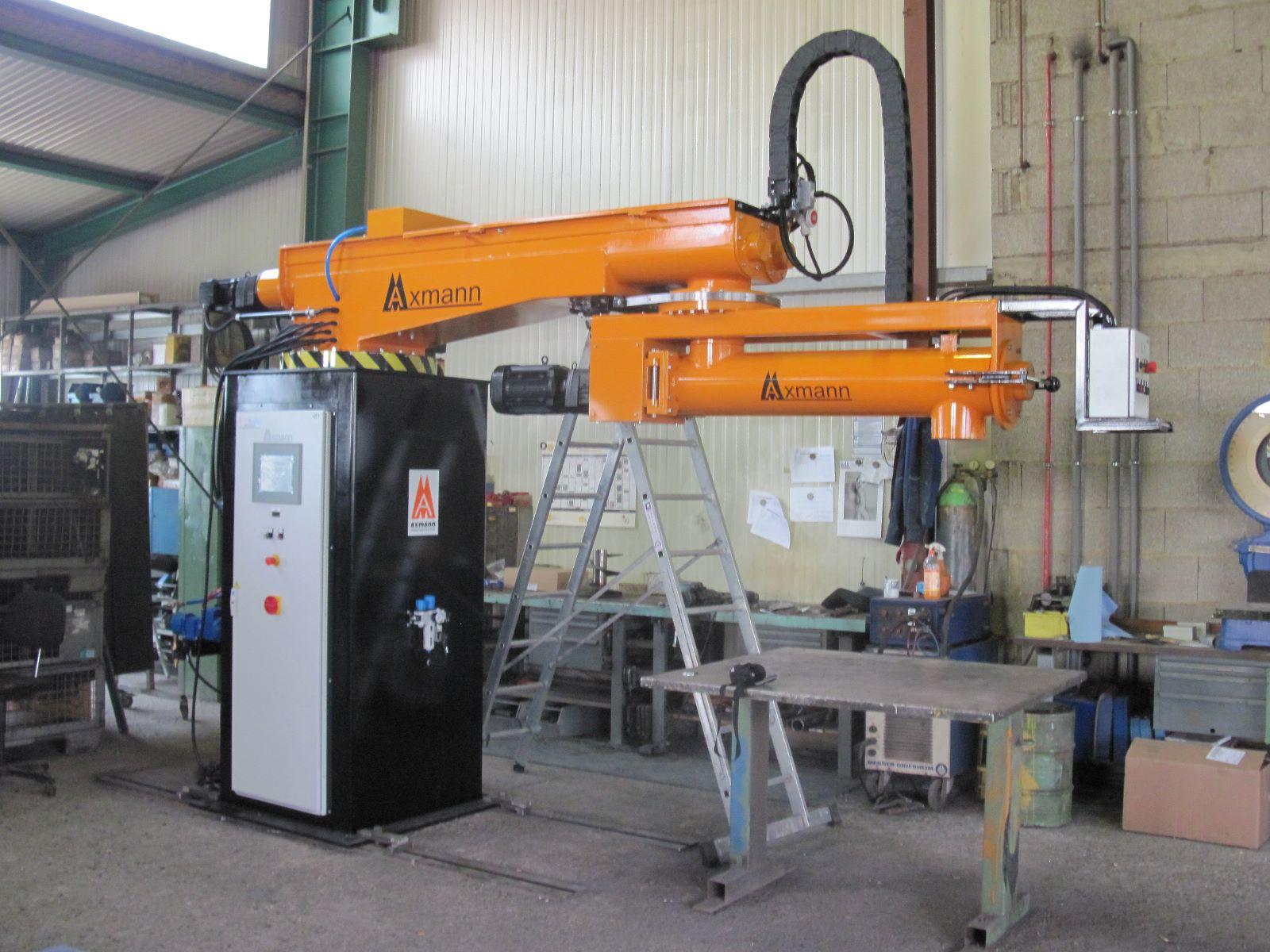
Complete chemically bonded sand lines, continuous mixers, pattern handling, pouring, cooling, shakeout & sand reclamation, engineered as one turnkey system.
Axmann sizes the calciner, heat-recovery system and coolers around your sand tonnage, binder chemistry and energy cost. Retrofits into existing mechanical reclamation plants are routine.
Tell us about your foundry: sand tonnage per month, binder system, existing reclamation, target reuse rate. Our engineers respond within one business day with a sized proposal.
Looking for a different machine?
View All Products