Thermal Sand Reclamation
Fluid-bed calciner restores sand close to virgin spec. Required for phenolic urethane and alkaline phenolic systems, and for 90%+ reclamation.
The primary reclamation stage for no-bake and chemically bonded sand foundries. Axmann builds complete mechanische Sandregeneration plants, 70 to 85% sand reuse without heat, engineered in Germany.
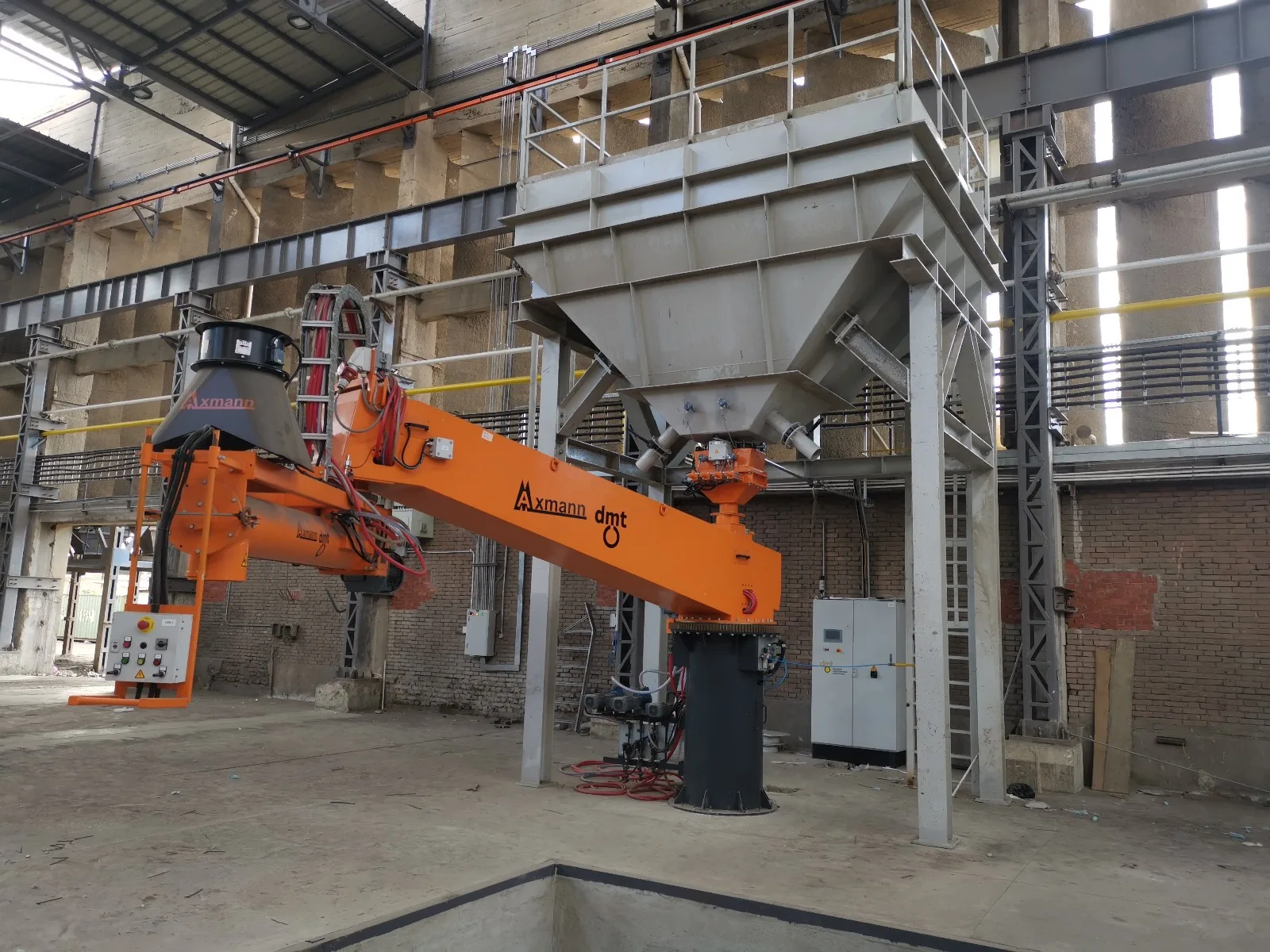
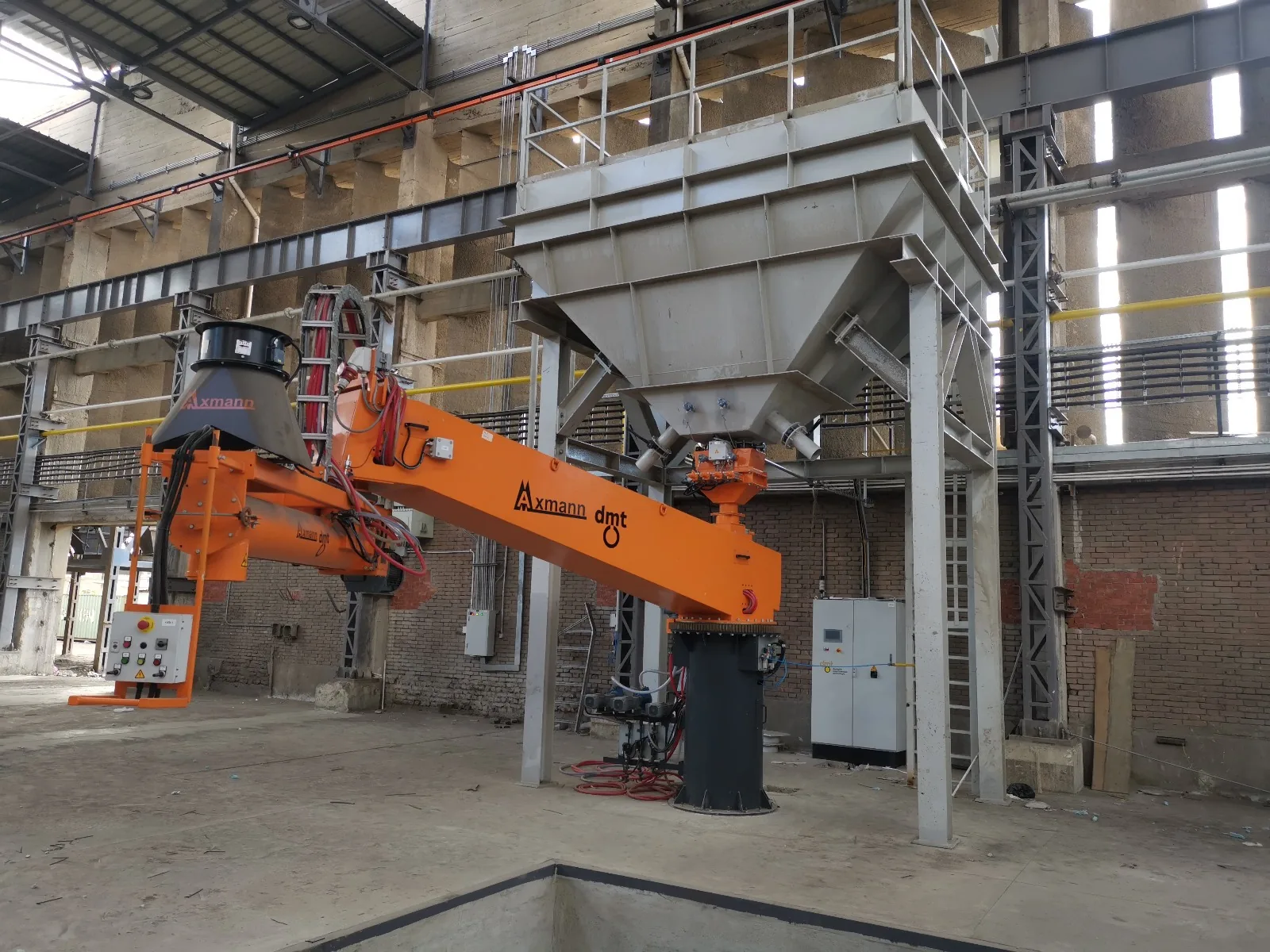
Mechanical sand reclamation, or mechanische Sandregeneration, recovers used foundry moulding sand by physically breaking, scrubbing and classifying the grains to strip off residual binder and separate out dust. No combustion, no heat input. A typical plant chains lump breakers, attrition mills, pneumatic scrubbers, vibrating screens and air classifiers, each stage sized to the one before and the one after. The output is clean sand returned to the mixer at grain-size, LOI (loss on ignition) and permeability specifications close to virgin sand. For furan-based no-bake systems, mechanical reclamation alone delivers 70 to 85% sand reuse, with payback typically under two years at European sand and landfill pricing.
Mechanical-only is the right architecture when the foundry runs furan binder, when 70 to 85% reuse meets the business case, and when lower capital cost, lower energy consumption and faster payback matter more than squeezing the last percentage points. When reclamation rate needs to be higher, or the binder is phenolic urethane / alkaline phenolic, Axmann adds a thermal reclamation stage as a secondary polishing step, lifting the total reuse rate into the 90 to 95% range.
Five stages, chained and sized to each foundry's shakeout throughput.
Shaken-out sand enters lump breakers and roll crushers which reduce agglomerates to individual grains without fracturing the silica core.
Magnetic separators pick out tramp iron from sprues and core prints. Vibrating screens drop out oversize fragments before they reach attrition.
The main mechanical stage. Grains rub against each other under high intensity, mechanically fracturing the residual binder envelope around each grain without damaging the grain itself.
Air classifiers separate reusable grain-size sand from fines, dust and ultra-fines. Clean sand stays in the flow; fines are captured in filters and routed to disposal.
Reclaimed sand is cooled to mixer-inlet temperature, metered, and returned to the storage silo, ready for the next moulding cycle.
Every component sized and integrated as one system, one supplier, one responsibility.
Enough to transform the economics of a furan-based no-bake foundry. The foundry stops being a sand buyer at scale.
No calciner, no gas burner, no combustion air. Operating cost is motors and compressors only, the cheapest way to run reclamation.
A mechanical plant typically costs 40 to 60% of a combined mechanical+thermal plant, making it the right starting point when capital is constrained.
Most of the stages stack vertically, fitting into existing foundry halls with limited spare floor area. Retrofits are common.
Axmann engineers mechanical plants with a defined hook-up for a future thermal stage. Start low, scale when the business case is proven.
At typical European sand and landfill pricing for a mid-size furan foundry, mechanical reclamation pays itself back in 18 to 24 months.
Mechanical reclamation is the primary stage. These systems complete the closed-loop foundry.
Fluid-bed calciner restores sand close to virgin spec. Required for phenolic urethane and alkaline phenolic systems, and for 90%+ reclamation.
The parent hub: complete closed-loop sand recovery combining mechanical and thermal stages.
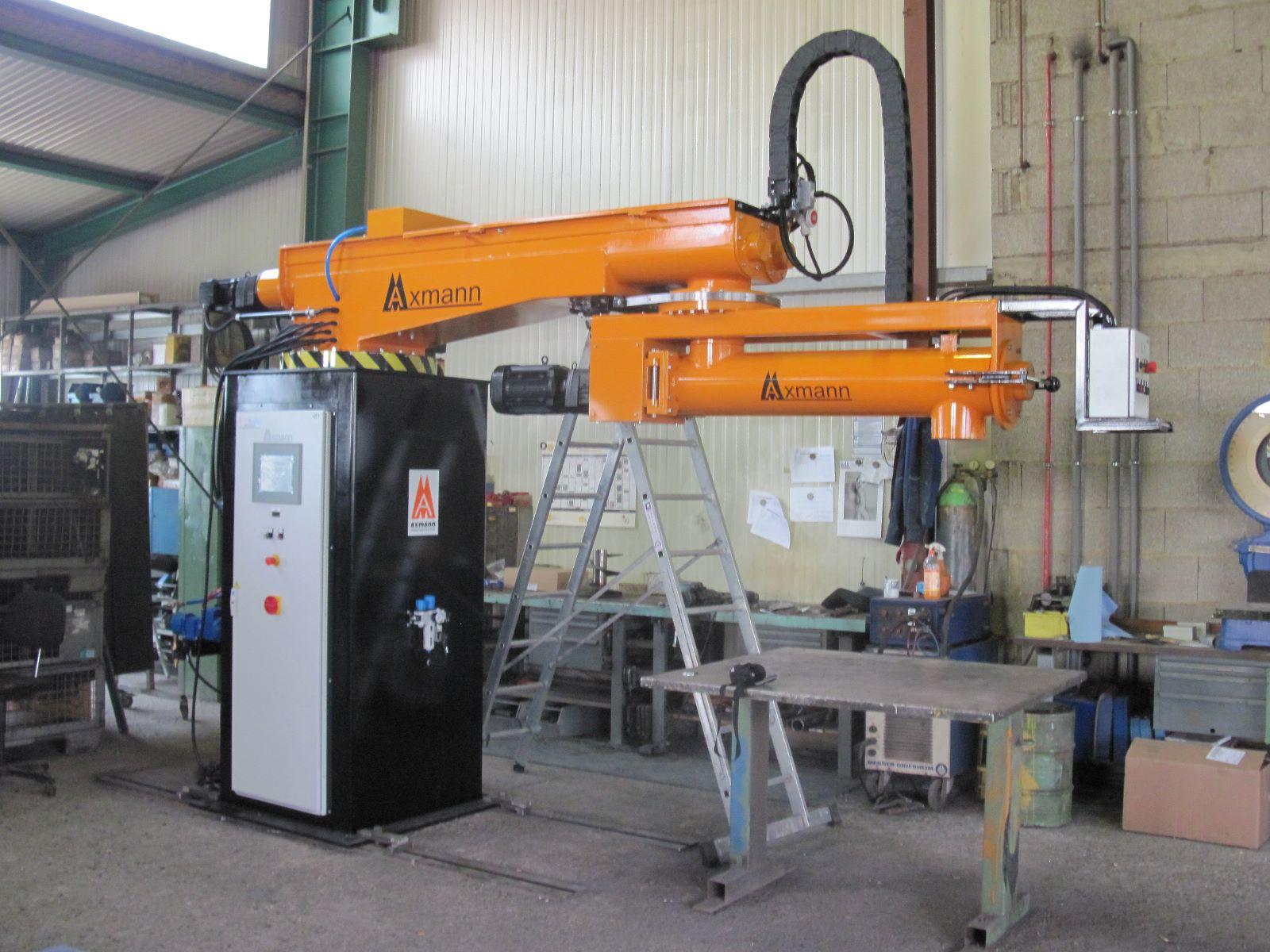
Single-arm, double-arm and twin-shaft Durchlaufmischer. The mixer that receives the reclaimed sand.
Mechanical reclamation is the right first step for most furan-based no-bake foundries. Axmann sizes the lump breaker, attrition mill and classifier around your sand volume and binder system, with a clear upgrade path to thermal when the business case justifies it.
Tell us about your foundry: sand volume, binder system, existing equipment, new-build or retrofit. Our engineers respond within one business day.
Looking for a different machine?
View All Products